

Learn Coffee
Simple guides to help you brew better coffee at home, with the numbers that actually matter.
Learn Australian Coffee
Coffee Guide
Understand the basics: pressure, extraction, grind size, and dialling in a shot.
How extraction works
Brewing is dissolving. Hot water pulls acids, sugars, oils, and bitter compounds out of ground coffee in roughly that order, so the length of the contact decides the flavour. Espresso does this under pressure in about half a minute, which means there is very little margin. A few seconds either side of the target changes the cup noticeably.
The four variables you control
Everything you can change comes down to four things:
- Grind size sets how fast water can move through the puck, and it is the variable you adjust most often on an espresso machine.
- Brew ratio is the weight of dry coffee against the weight of liquid espresso, which controls strength rather than extraction.
- Water temperature drives how quickly compounds dissolve, with most espresso machines set between 92 and 95 degrees Celsius.
- Shot time is how long the extraction runs, and it is the reading that tells you whether the grind is right.
Starting recipes
A standard modern espresso runs at about nine bars of pressure, with 18 grams of ground coffee in a level, tamped basket producing around 36 grams of liquid in 25 to 30 seconds. Weigh both the dose and the yield, because judging a shot by eye is guesswork.
Grind size reference
Espresso needs a fine grind, close to table salt or slightly finer, and small changes matter far more than they do in filter brewing. A single step on the grinder can move a shot by several seconds.
Water
Water is more than ninety eight percent of the finished drink. Hard water builds scale inside an espresso machine and mutes acidity, while water with almost no mineral content gives a flat cup because minerals carry flavour. Filtered tap water is the practical answer at home, and it also protects the machine.
Fixing a bad shot
Two symptoms cover most problems, and each one has the opposite fix:
- A sour, sharp, or thin shot is under-extracted and usually running too fast, so grind finer.
- A bitter, dry, or harsh shot is over-extracted and usually running too slow, so grind coarser.
- Change only one thing at a time, since two changes at once tell you nothing about which one worked.
Brewing Methods
Espresso, milk texturing, latte art, and batch brew.
Espresso
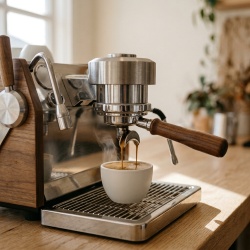
Pressure forces hot water through a compacted bed of fine coffee in well under a minute, producing a concentrated shot with crema. Distribute the grounds evenly, tamp level, and lock in straight away so the coffee does not sit heating against the group.
Texturing milk
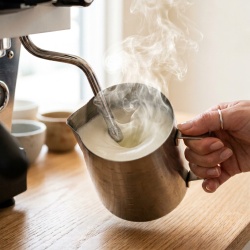
Milk texturing has two stages and they happen in that order. Introduce air for the first few
seconds only, with the steam tip just under the surface, which is the stage that makes the
hissing sound. Then submerge the tip slightly and roll the milk into a whirlpool so the bubbles break
down into microfoam.
A few things decide whether it works:
- A sour, sharp, or thin shot is under-extracted and usually running too fast, so grind finer.
- A bitter, dry, or harsh shot is over-extracted and usually running too slow, so grind coarser.
- Change only one thing at a time, since two changes at once tell you nothing about which one worked.
Building the drinks

Once the shot and the milk are right, the Australian menu is mostly ratio and glassware:
- A flat white is a double shot in a 150 to 180 millilitre cup with a thin layer of microfoam.
- A latte is the same base in a 220 millilitre glass with more milk and a thicker cap of foam.
- A cappuccino carries a thick foam layer and a dusting of chocolate powder.
- A piccolo is a single ristretto topped with milk in a 90 to 100 millilitre glass.
- A magic is a double ristretto with milk in a five ounce cup, poured to about three quarters and served in one size only.
- A long black is made by pouring hot water into the cup first and extracting the espresso through it, which keeps the crema intact.
Latte art
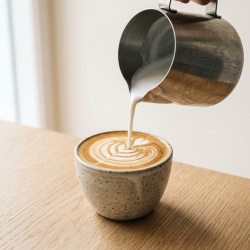
A pattern will only form if the milk is correctly textured and the crema surface is intact, so latte art is a test of the two steps before it rather than a decoration added afterwards. Pour from a height first to sink the milk under the crema, then drop the jug close to the surface so the microfoam floats up and the pattern appears. Work through a heart, then a tulip, then a rosetta.
Batch brew
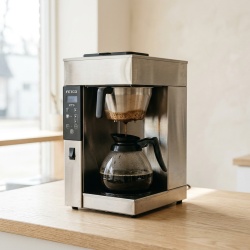
Batch brew is filter coffee made in volume and served immediately, and it is the standard black option in Australian specialty cafes. Use a medium grind at one part coffee to sixteen or seventeen parts water, and serve within about thirty minutes, because holding brewed coffee on a hot plate is what gave filter coffee its stale reputation.
Choosing Beans
Roast level, blends, origin, and freshness for espresso.
Roast level
Australian roasters generally aim at a medium roast for espresso, because a light roast can turn thin and sour once it meets milk, while a very dark roast pushes bitterness through the milk instead of sweetness. Look for an even mid brown bean with a dry, matte surface, since visible surface oil usually means the roast has been taken further than milk drinks need.
Blends and single origins
Espresso blends are built for consistency and body, which is why almost every cafe pours one as its house option. Single origins offer more distinct character but are less forgiving, because any flaw in the coffee has nothing to hide behind.
Origin
Origin is a rough guide rather than a guarantee, though some patterns hold for milk based drinks:
- Latin American coffees, such as Colombian and Brazilian, bring chocolate, caramel, and nut flavours with a rounder body, which is why they dominate espresso blends here.
- East African coffees bring floral and berry flavours with bright acidity, which can be striking in a short drink but thin in a large one.
- Indonesian coffees bring earthy, heavy flavours with low acidity, and they are often blended in for body rather than used alone.
Freshness and storage
Roasted coffee releases carbon dioxide for days after roasting, and espresso is more sensitive to this than filter is, because trapped gas disrupts the flow through the puck. Beans usually pull best between seven and fourteen days off roast and decline noticeably after about a month. Buy by roast date rather than best before date, store beans in an airtight container somewhere cool and dark, and keep them out of the fridge because they absorb odours and attract condensation.
Tools
Grinder, scale, tamper, jug, and the rest of the espresso kit.
Buy in this order
If the budget is limited, the order of purchase matters more than the brand:
Grinder
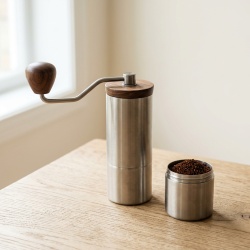
A burr grinder comes first, and for espresso it needs fine adjustment steps, because a grinder built for filter will not resolve finely enough to dial in a shot.
Scale
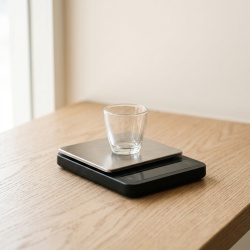
A digital scale accurate to 0.1 grams comes second, since dose and yield cannot be controlled by eye.
Milk jug
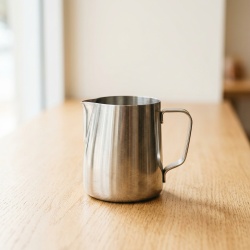
A milk jug with a defined spout comes third, because texturing is half of every drink on the menu. A 350 or 600 mill size covers most home drinks.
What each tool does
Brief notes on the rest of the kit:
Tamper
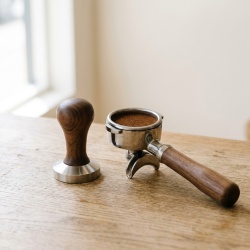
A tamper compresses the bed evenly, and consistent pressure matters more than heavy pressure.
Thermometer
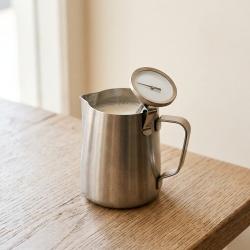
A milk thermometer removes the guesswork until you can judge temperature by feel through the jug.
Distribution tool
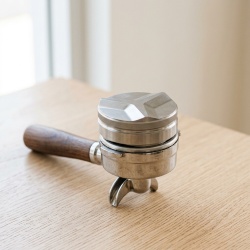
A distribution tool levels the grounds before tamping, which reduces channelling.
Knock box
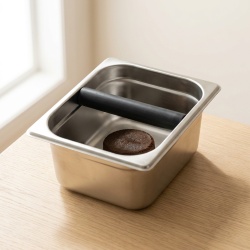
A knock box and a clean cloth keep the workflow tidy, which sounds trivial until you are making three drinks at once.
Airtight container
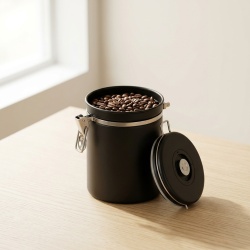
An airtight, opaque container with a one way valve protects beans from oxygen and light.