

Coffee Culture
Explore how Australia and Japan built two very different coffee traditions, and how they have started borrowing from each other.
Australian Coffee
Bold espresso drinks, café lifestyle, and a strong focus on quality beans.
Australian coffee begins with migration. After the Second World War, Italian and Greek families settled in Melbourne and Sydney and brought espresso to a country that ran on tea and instant coffee. Greek migrant Sam Akon installed Italian lever machines in his Sydney milk bars in 1948 and 1949, and Pellegrini's opened on Bourke Street in Melbourne in 1954 and still trades today.
What grew out of those espresso bars was not Italian coffee. Australians drank more milk, in larger cups, across more of the day, and the menu changed to match. The cafe became a neighbourhood fixture where the barista knows the regular order, and that expectation is part of why Starbucks struggled here, closing 61 of its 84 Australian stores in 2008 after years of heavy losses.
Common Australian coffee orders
These are the drinks you will see on almost any Australian cafe menu:
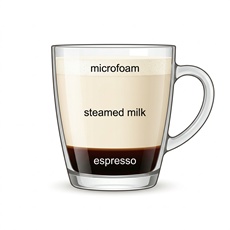
Flat white
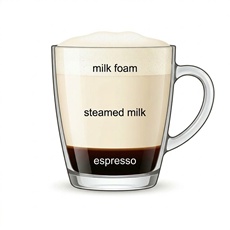
Latte
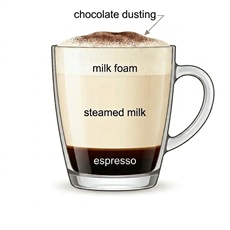
Cappuccino
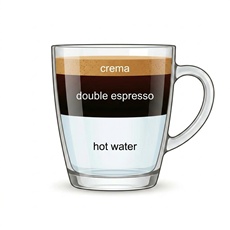
Long black

Short black
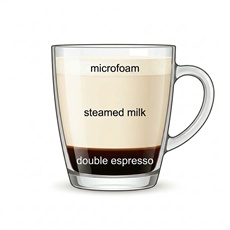
Long mac
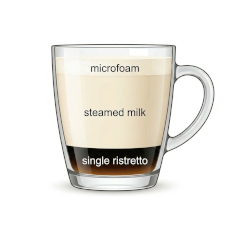
Piccolo
Japanese Coffee Culture
Quiet kissaten traditions, pour-over craftsmanship, and a love for precision.
Coffee reached Japan through Brazil rather than through Europe. Cafe Paulista opened in Ginza in 1911, founded by Mizuno Ryo to sell Brazilian coffee he received free in return for organising Japanese emigration to Brazil, and the format he built became the template for the kissaten.
The kissaten is where the reputation for patience comes from. A master brews dark roast coffee by hand through a flannel nel drip or a siphon, a single cup can take ten minutes, and that slowness is the point. Kissaten reached peak density in the 1980s, when Tokyo alone had more than ten thousand of them. A much faster culture runs alongside it, since UCC released the world's first canned coffee in 1969 and Expo '70 in Osaka turned it into a national habit.
Common Japanese coffee orders
These are the drinks you will meet in a kissaten, a convenience store, or a vending machine:
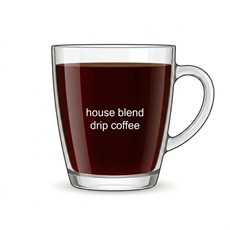
Brendo(Blend) Kohi(Coffee)
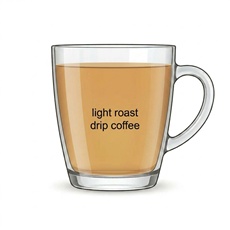
American Kohi

Cafe Ore

Mizudashi Kohi
Australia vs Japan
A beautiful contrast between espresso intensity and pour-over purity.
The easy version is that Australia is fast and Japan is slow. That reading is true on the surface, and it misses that the two cultures have spent twenty years borrowing from each other. The pour-over gear on the back bench of a good Australian cafe is very likely Japanese. The beans in a Tokyo specialty cafe may well be Australian, since the Sydney roaster Single O has operated in Japan for a decade and now supplies around 130 wholesale partners there. Many Japanese baristas trained in Australia, and modern Japanese roasting now sits between the traditional dark roast and the specialty light roast as a result. The contrast below is therefore generational as much as it is national.
Coffee Culture: Australia vs Japan
| Australia | vs | Japan |
|---|---|---|
| Italian and Greek migrants, late 1940s | Culture origins | Brazilian trade, Ginza 1911 |
| Flat white | Signature order | Burendo, the house blend |
| In nearly every order, texture judged closely | Milk | Served on the side, coffee drunk black |
| Medium, built to cut through milk | Roast | Dark in kissaten, lighter in specialty |
| Espresso, under a minute | Method | Nel drip or siphon, up to ten minutes |
| Open early morning, closed by mid afternoon | Cafe hours | Open mid morning, trading into the evening |
| Roughly one per 1,000 people | Local cafes | Roughly one per 2,100 people |
| Quick turnover, takeaway normal | Time spent | Lingering expected, regulars keep their seat |